What is a Chunique
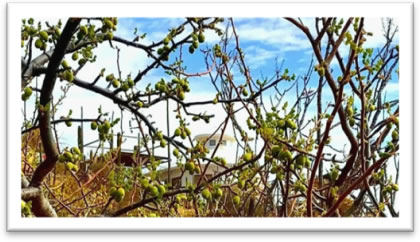
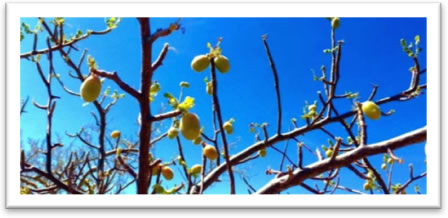
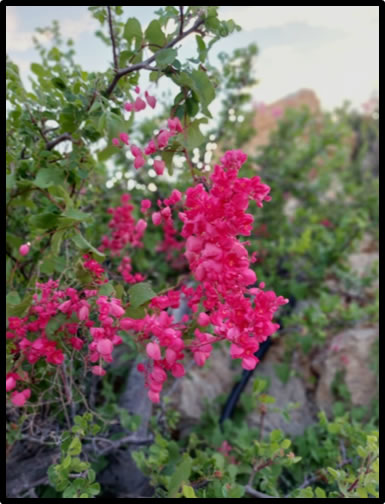
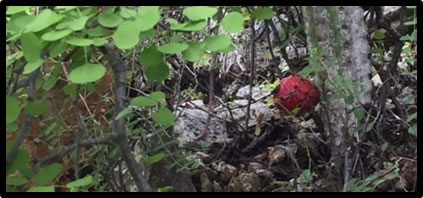
One of the most representative trees of our region is the wild plum tree. It is one of the magical trees of our environment. Twisted and purplish, rough and capricious, it produces in the summer months a fruit, a plum that when ripe is yellow. Very rich in nutrients: Vitamin A, B, C, Zinc, antioxidants among others. It was a very important food for the original Pericues. This small plum, in its center has a seed protected by a hard shell. This seed is called Chunique. The fruit was collected and consumed by the original natives, the brave Pericues. The Chunique with its seed, very similar to a pine nut, was very appreciated for its oils and nutrients; it was also stored and consumed later. Chunique is then, something small, round, but it is also an important source of energy, something vital. ‐ Humble and vital – My mother Joanne Robertshaw Marinucci, then, baptized our little house, “La Chunique”.
Casa Chunique precursor of Geotourism in BCS
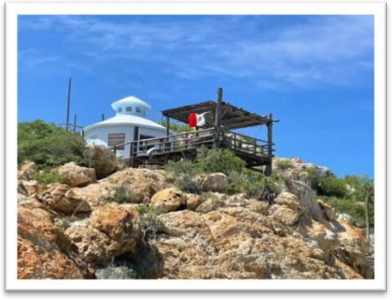
Seeking for the least impact to the ecosystem, in a few more years, the fourth generation of my family will continue with the same mission. Protect as much as possible and for as long as possible the beauty and purity of this paradise is a priority. Between the ocean and the desert, the mountain and the sky, lives Casa Chunique.
This project has been proposing for more than 20 years a non‐invasive and inclusive sustainable development. How do we achieve this? Casa Chunique runs on solar energy. Our state, Baja California Sur, is arid, subtropical, presents ideal conditions for the use of solar energy. With an average of 11 hours of sunshine per day and only an average of 16 days of rain per year, it is only logical and appropriate that the energy system be primarily solar. Water is the greatest treasure of Southcalifornians and we have a diversity of techniques and habits to take care of it and use it in the best way, for example, kitchen drains, showers and sinks are directly converted into irrigation water. We provide our customers with biodegradable shampoo, soap and detergents, we also use dispensers installed to avoid the use of single‐use plastics.
We have priorities
We avoid affecting wildlife and find ways to coexist with them. Everyone and everything has a reason and purpose, and the balance of the food chain is elemental to the health of our home. For example: The raccoon population on the north hill is of paramount importance, they are indispensable in regulating the snake population, which in turn regulates the rodent population, etc. We ask our guests to enjoy watching our wildlife from a safe distance. Do not feed them junk food or garbage, if you want to give them something to eat, make sure it is fruit, place it at least 15 meters away. We must prevent animals from becoming too familiar with people, creating a dependency or invading our private space
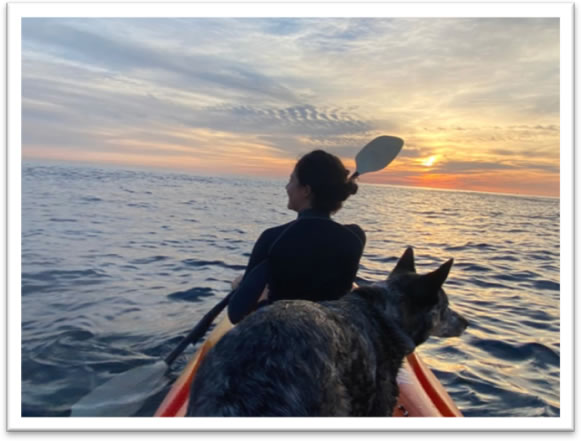
We encourage the practice of non‐polluting respectful sports. Kayaking, SUP, snorkeling, hiking, fishing
We encourage and invite tourists to get to know our customs and traditions, our food and be part of the sustainable tourism circuit and congruent with the care of the planet, this is geotourism. Promoting respect and harmony with our environment among our visitors, neighbors and community is a priority.
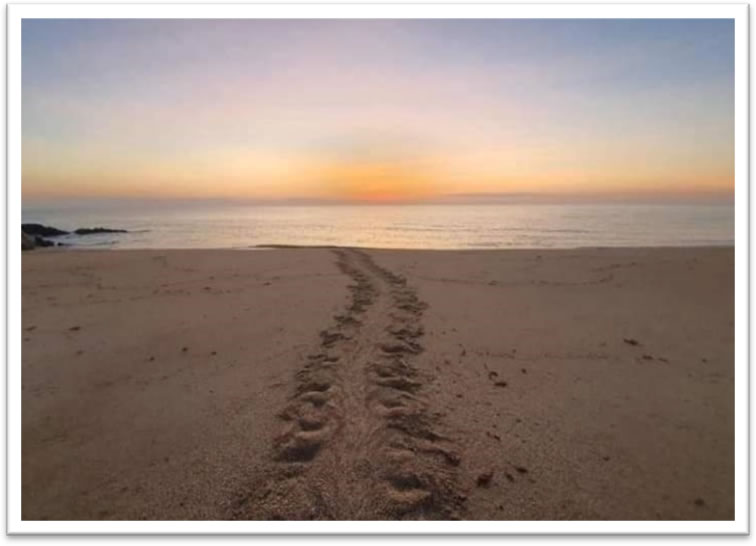
This task has not been easy. Insistent offers from potential mega developers, invasion attempts, reporting and elimination of false markers, conflicts with aggressive tourism (national and foreign), reporting harmful activities such as fishing with trawl nets or drag nets, or the abuse of the beaches by people in recreational vehicles such as racers, buggies, motorcycles etc. (which impact the nesting area of sea turtles). These are all examples of the obstacles we have overcome to continue with our dream.
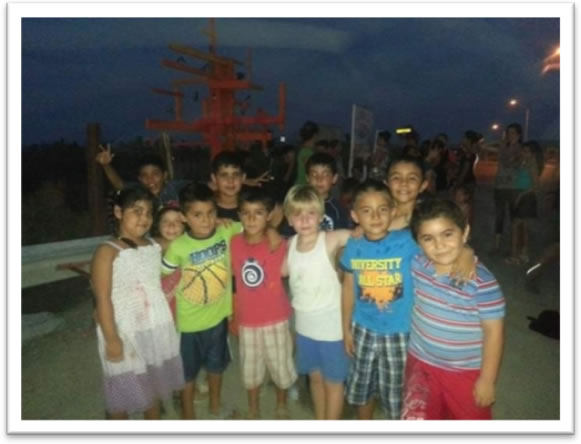
Continuing with this task will not be easy for the next generations. We are proud to know that the youth in our small riverside communities are conscious, proactive and participative in the defense of the ecosystem and its geographic and social heritage.
Dear visitor. We sincerely hope you enjoy this last frontier. We want you to have a very special experience.
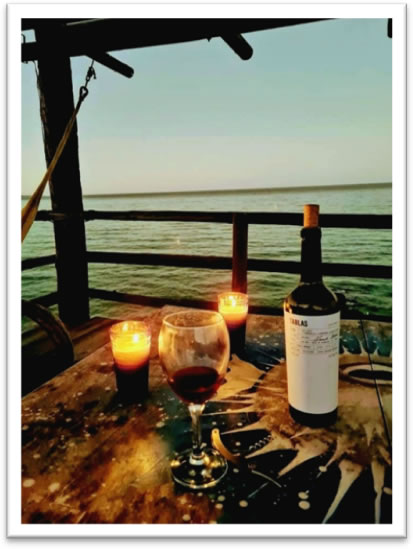
Connect with your original feelings, with your primitive roots and feel at one with nature in front of the magnificent sea of Cortez, called “The Aquarium of the World” by Jacques Cousteau.
We wish that the beauty that enters through your eyes turns into spiritual well being and revealing peace.
Where are you?
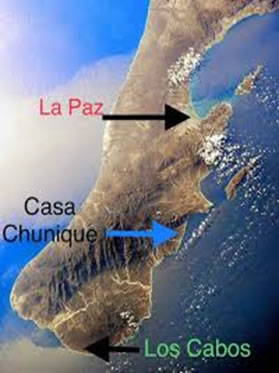
You are in the Baja California peninsula, in the state of Baja California Sur, right between, La Paz and Los Cabos. To the north is the Ensenada de los Muertos, just behind it is the colossal Cerralvo Island.
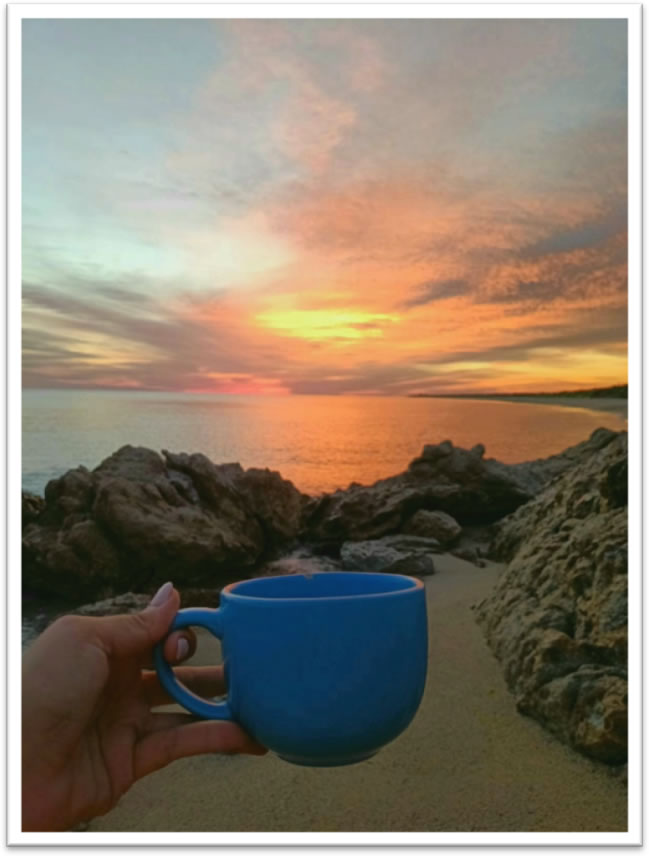
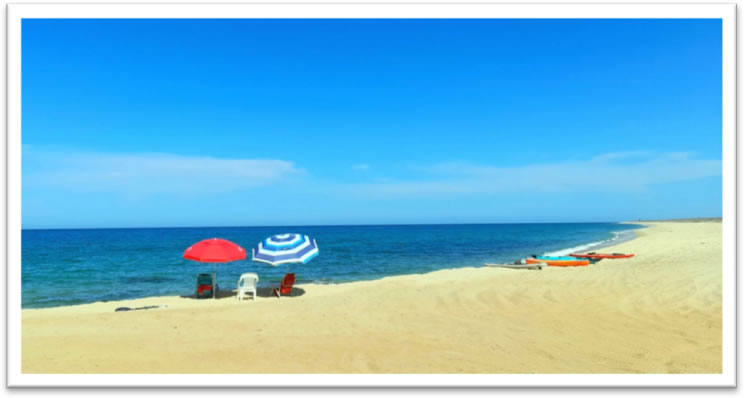
To the east is our magnificent and emblematic Gulf of California, also known as the Sea of Cortez, and that is why every morning, you will see the sun rise from the sea. To the south we have our closest neighbors (2 miles away), our beloved community of Boca del Alamo, and, to the west, framing the semi‐desertic landscape, the impressive Sierra La Laguna, mother of our water aquifer and home to thousands of species of fantastic flora and fauna.
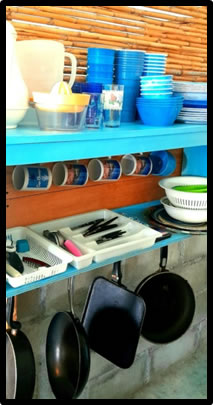
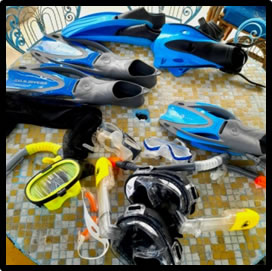
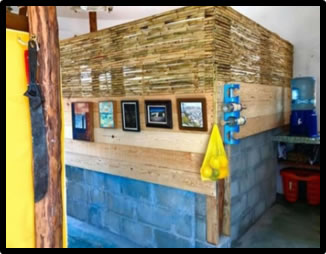
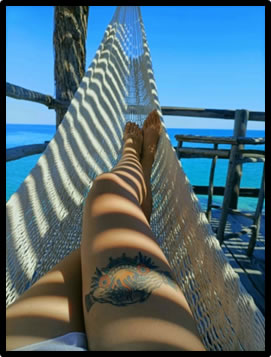
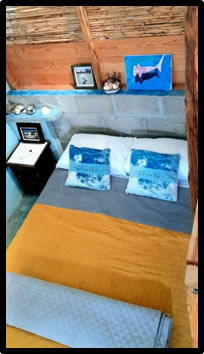
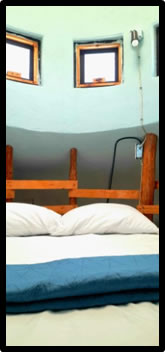
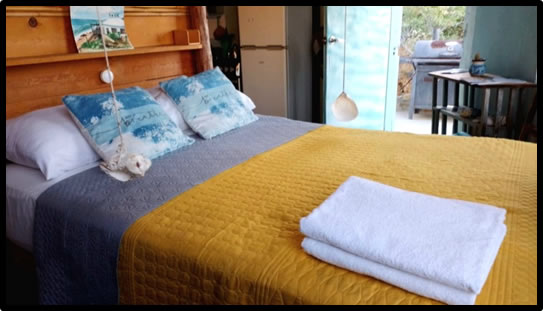
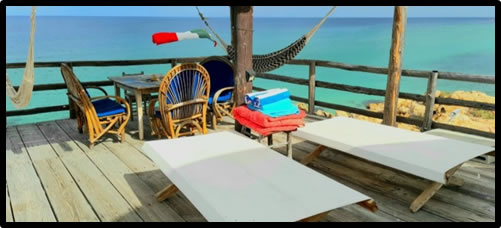
Casa Chunique is a studio house with subdivisions. Two spaces with queen size bed each, full kitchen with 5 foot refrigerator with freezer box, counter with sink and four burner stove and oven, drinking water dispenser, cutlery and cooking utensils ,small loft with sleeping space for two people, satellite internet, WiFi, TV and AC with remote control. On the terrace there are two cots, two hammocks, cooler and dining room. In the patio there is a patio dining area and space to park 2 vehicles. It has 4 sets of snorkels and two kayaks with life jackets.
To get to Casa Chunique you need a 4×4 vehicle for the most part of the year.
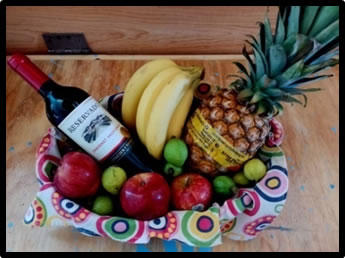
Maura will welcome you and give you a tour and explanation of how Casa Chunique works. She will calmly and clearly take you through the simple steps of switching from solar to generator power, as well as starting the generator. With her serene and friendly disposition she resolves any situation. For an extra charge she offers laundry and cleaning services for long stays. She always makes the most beautiful welcome baskets.
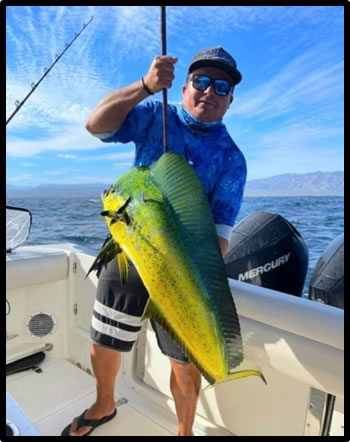
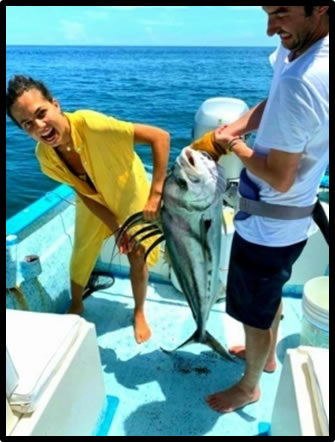
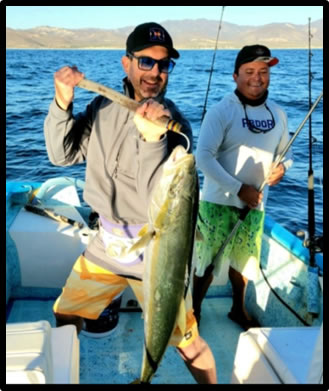
Captain Berna is the most knowledgeable sport fishing captain in the area. He picks you up right there on the beach below Casa Chunique. He is a charming and very friendly, professional Captain, speaks English and knows the best places to fish and snorkel. Departure is at 7:00 am coming back at 12:00 pm. Includes rods, snorkeling gear and lots of smiles.
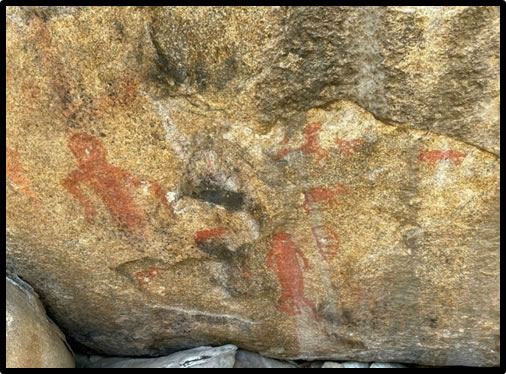
I am your first contact. My purpose is to do everything possible for you to enjoy a unique and unforgettable experience. I will be ready to help you hire any of the activities we promote. Fishing adventure, in migration months whale watching, hiking on trails to see cave paintings and oasis, dinner with locals… we will do everything possible for you to have an unparalleled experience.
We have made Casa Chunique a factor of prosperity for my community as well as an example of low‐impact alternative tourism. By practicing and promoting geotourism, by promoting activities offered by our neighbors, we support the economy of our town. To watch over and protect the magical and fragile ecosystem is a fundamental part of my work and personal mission. Aiming to grow, while, ensuring the balance of our little paradise. I am available at all times to help you make a reservation for an experience or answer any questions or clarify your doubts. 52 612 1400391 WhatsApp
All extra services and experiences offered by my team are commission free for us. This means that you pay directly for their services and your money goes directly in its entirety to benefit their families in our beloved community of Boca del Alamo.
Flora
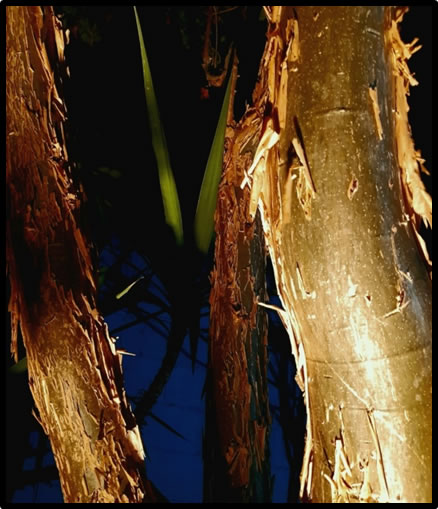
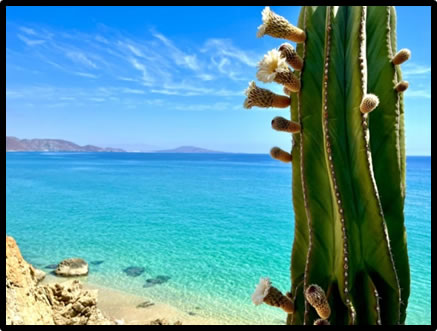
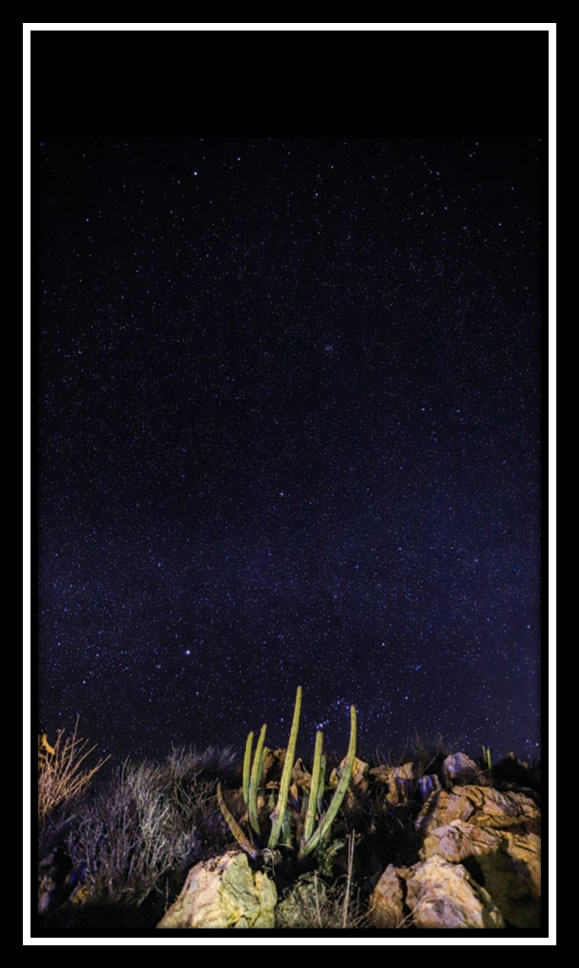
You are not exactly in a desert but in a low deciduous jungle full of life. There is an abundance of Torotes, those contortionist trees whose skin peels off in golden flakes, the terrible Choyas, Palo blanco, Mezquite, Palo verde, Palo blanco, Salate or Higuera, Pitaya dulce, Pitaya agria, Ciruelo del monte, these last four are fruit trees and cactus and their fruits are an intrinsic part of the local fauna’s diet. Of course the magnificent Cardones known in the area as “The guardians of the desert” because of their anthropomorphic silhouette and the stoic feeling they transmit. There are hundreds of species of small shrubs among them are wild oregano, deer grass, damiana and the infamous caribe or bad woman, the latter produces hives when touched which results in an unpleasant experience but for the connoisseur and skilled, this plant also has a rich eatable seed.
Fauna
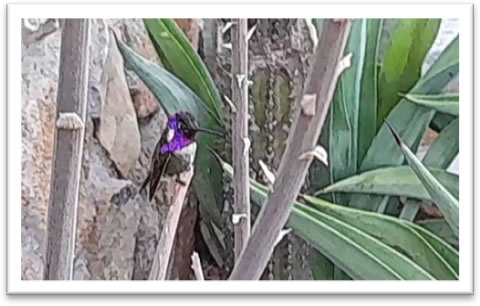
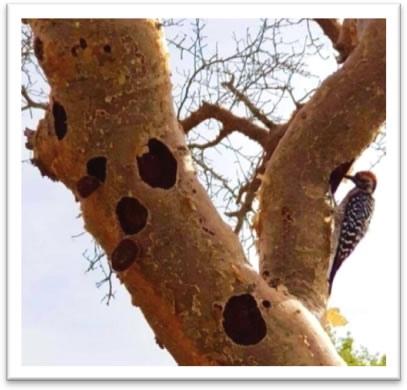
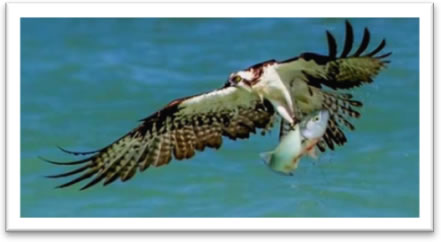
Birds: A diversity of inland and marine birds are characteristic of our environment. Small, delicate and singing birds such as hummingbirds, greenfinches, larks, cardinals, woodpeckers, majestic birds such as vultures, red‐tailed eagles, and rarely you can witness the majestic golden eagle. Seabirds that you can expect to see from Casa Chunique are: Pelicans, earwigs, herons, gulls, curlews and of course the great fisherman of the sea the osprey.
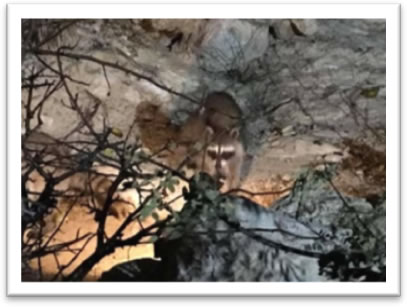
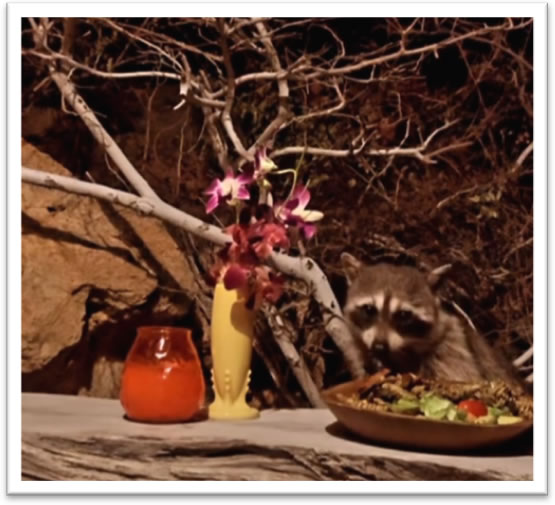
Fauna terrestre: Our closest neighbors are the raccoons, in fact the hill just outside the north gate of Casa Chunique was also named “Raccoon Hill” by my mother. This kind of cute mammal is a shameless omnivore and that is why we recommend, leaving absolutely no food outside the house as they will surely keep you awake at night with their racket and strange squeaking noises. Even though these animals are very funny and cute, we don’t want them to close, after all they are wild animals and can be dangerous if they are sick, that’s why it is advisable to watch them from a distance
Only water, fruits and vegetables) at least 15 meters up the hill.
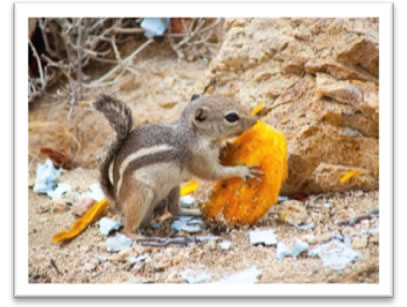
Babisuri or ring‐tailed cats and skunks also come down to visit but they are less and more shy. The same recommendations go for them. We also have a number of lizards and some iguanas that also enjoy sunbathing in the mornings, the tiny squirrels, “juancitos”, they do a very important job of propagating the flora especially the plum trees of the bush, as they eat their fruit and collect their bone (inside a seed similar to a pine nut), hides it for the winter, then forget their hiding places and unintentionally reforest this and other species.
The rattlesnake
Is a specimen to watch out for. It is during the summer that they are most present. When they feel threatened their rattle makes a very loud noise that warns of their presence. If you see one, please leave it alone, go back and report it to Maura or Lila. We will get someone to relocate them.
Although they can be a latent danger, in 35 years of visiting we have never had a mishap.
In the unlikely event of an incident, the town of Los Barriles has two clinics that can handle such an emergency.
Wasps and bees
Wasps and especially bees are common in the area and we love to have them, they do not sting intentionally, it is important not to get agitated and be gentle with them. In case of being stung by one, it is recommended to take a couple of chlorphenamine or chlorotrimeton pills that you will find in the medicine box in the bathroom. Make sure that the stinger has come out and if not, try to remove it carefully. You can also soothe the area with a little ice.
Scorpions
It is very important to check inside your shoes before putting them on. In desert areas it is very common for scorpions to look for holes or cool areas. If you have left clothes outside, shake them out carefully. In case of a sting, follow the same recommendations as for bee stings.
Stinging jellyfish
In case of contact with a jellyfish, initially put hot sand on the affected area, don’t rub off, if still in contact with skin, take a twig and pick it off, when you are back in the house, heat water and apply to the affected area. Do not rub with towels, do not apply urine or meat tenderizer, follow these suggestions only.
In case of bite of any mammal it is essential that you go to the first health clinic located in Los Barriles and ask for an anti‐rabies treatment and tetanus vaccine.
East Cape Health Center Clinic emergency contact through Whatsapp 6241601997
Clinica Amerimed 624 141 0797

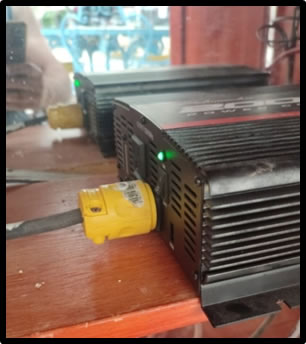
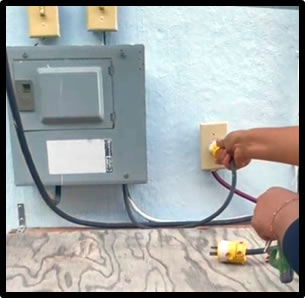
As mentioned before, we have set out to maintain a home that is committed to our environment and nature. During the day our energy comes from the sun. Our system is efficient. But the steps must be followed to the letter. In the first instance the equipment is not powerful enough to lift the AC or the water well pump. That is why we rely on a gasoline generator to run the AC and to start the well pump and refill the water supply. NEITHER OF THESE TWO APPLIANCES SHOULD BE TURNED ON WHILE THE SOLAR POWER IS ON.
This will burn the inverter. Also, blenders or electrical appliances. These can only be used while the gasoline generator is on.
STEPS TO FOLLOW
1) The solar power will be working upon arrival.
2) When you hear the inverter alarm, turn off the inverter switch (it is a simple on/off switch).
3) Next to the breakers is a single input socket. The solar power plug is disconnected.
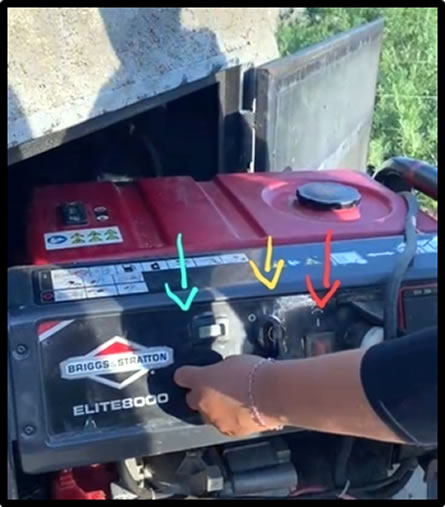
4) The gasoline generator is turned on. Turn the knob on the left to the right so that it is in the center position.
5) Pull the cord (you may need to remove the choke while doing this) when you turn it on, put the choke in immediately. Remember to turn on the red switch now.
6) Check that the breakers are all off and turn on the breakers you are going to use. Turn on the first one on the top left as it is the breaker that feeds the house light.
7) If you are going to use the AC, turn on that breaker. If you are going to refill the water tank then turn on the breaker that indicates pump. The water pump should only be turned on for 15 minutes at a time.
Blue arrow indicates choke
Yellow arrow indicates the ignition knob (must be in vertical position).
Red arrow indicates the red button that should remain ON after starting the generator.
The best time to fill the water tank is at high tide. If you see that the last two ridges that emerge in the sea in front of the house are almost covered, then the tide is high.
La capacidad del generador es aproximadamente 20 litros que son suficientes para toda la noche con el AC y ventilador encendidos.
Maura will meet and greet you upon your arrival. She will show you how to switch from solar energy system to power with the gasoline generator and how to start the generator. We suggest you take a video of the entire explanation so that you can come back and watch the video as many times as necessary.